Printing on envelopes & mailing envelopes
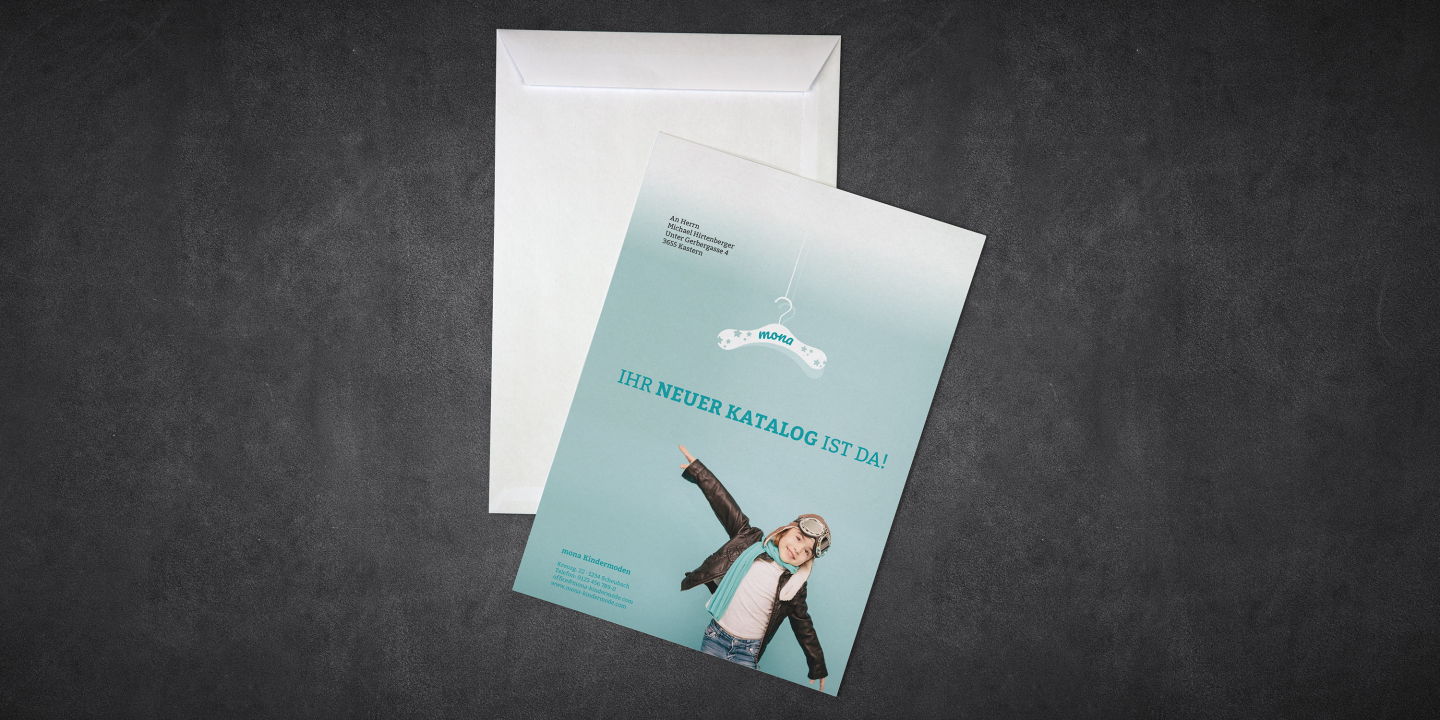
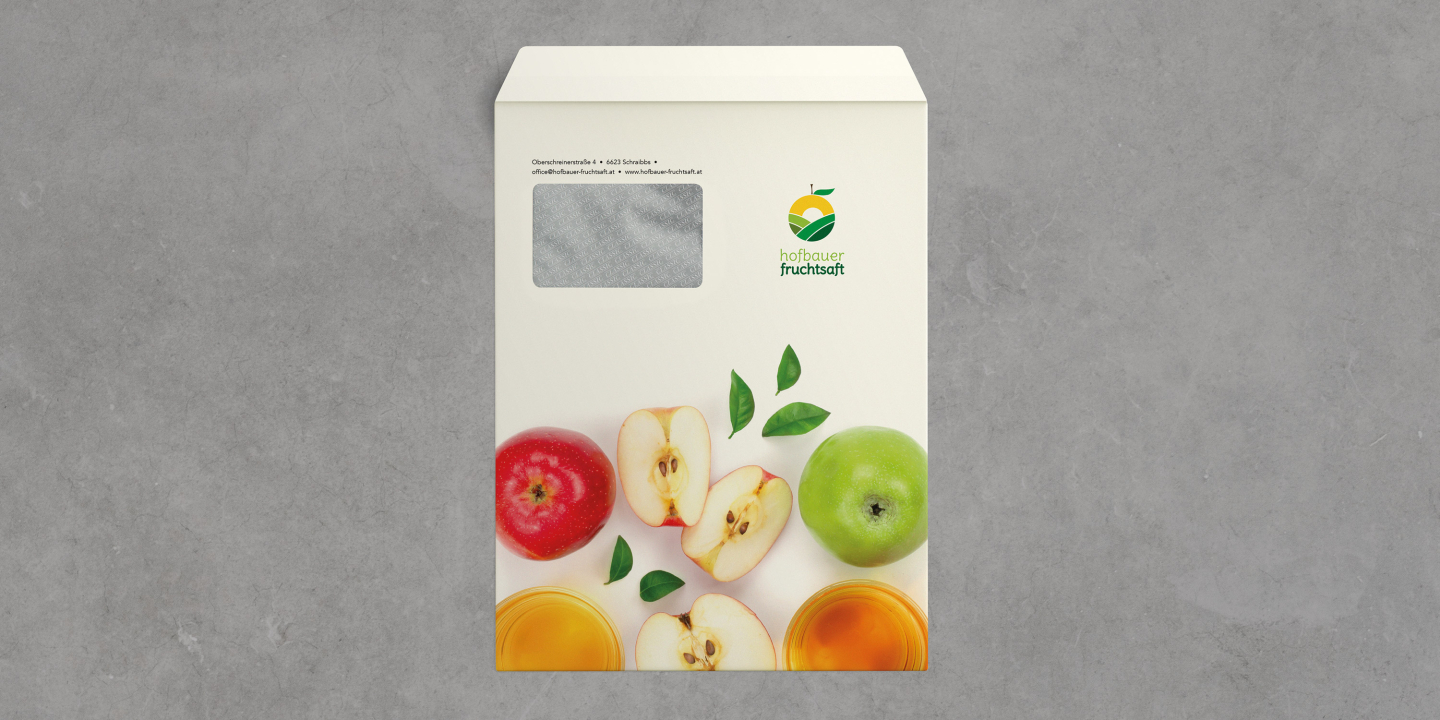
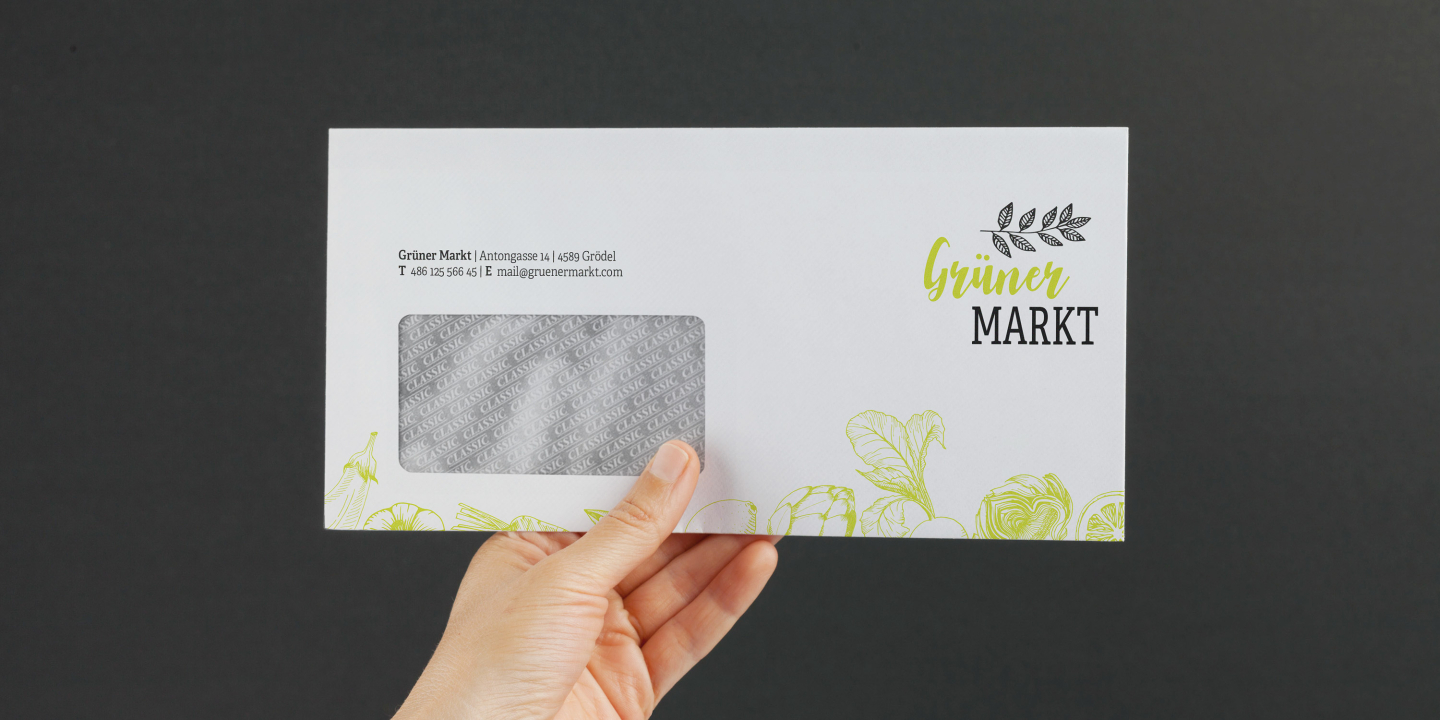
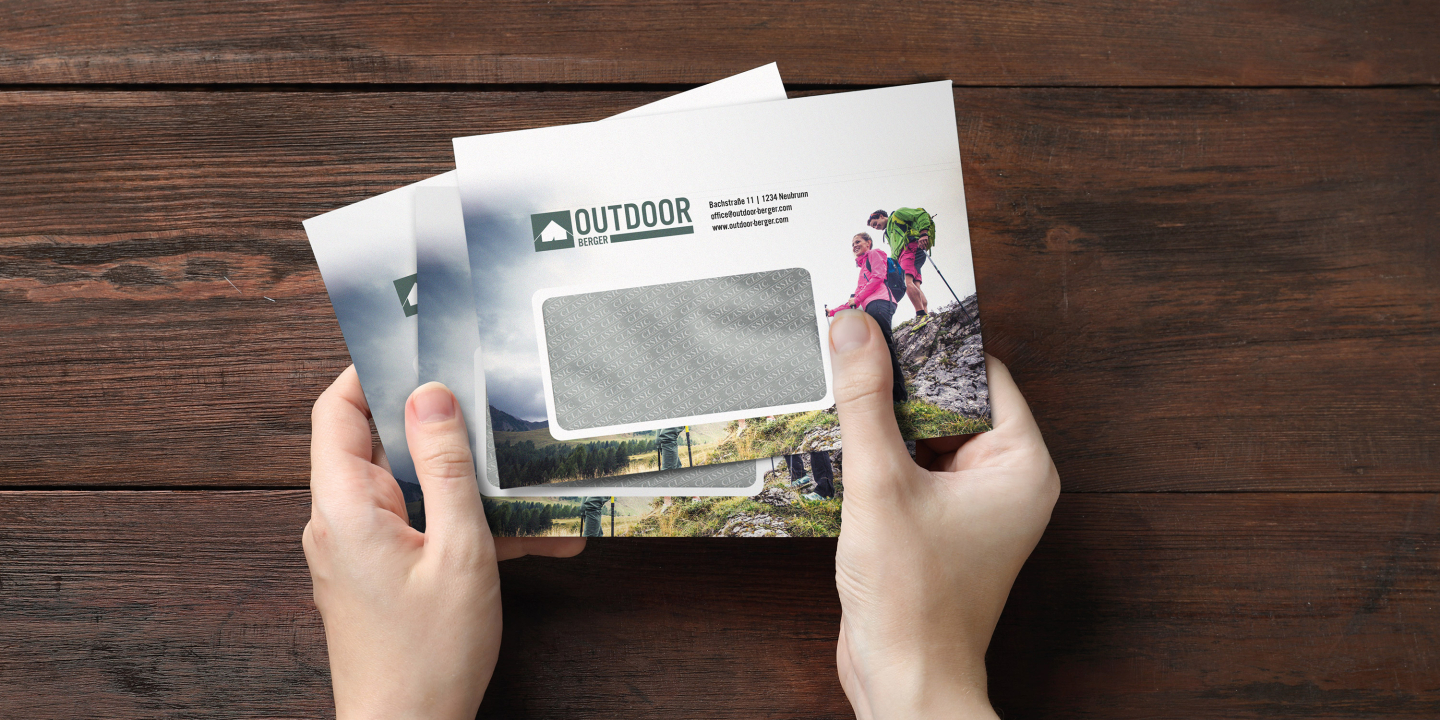
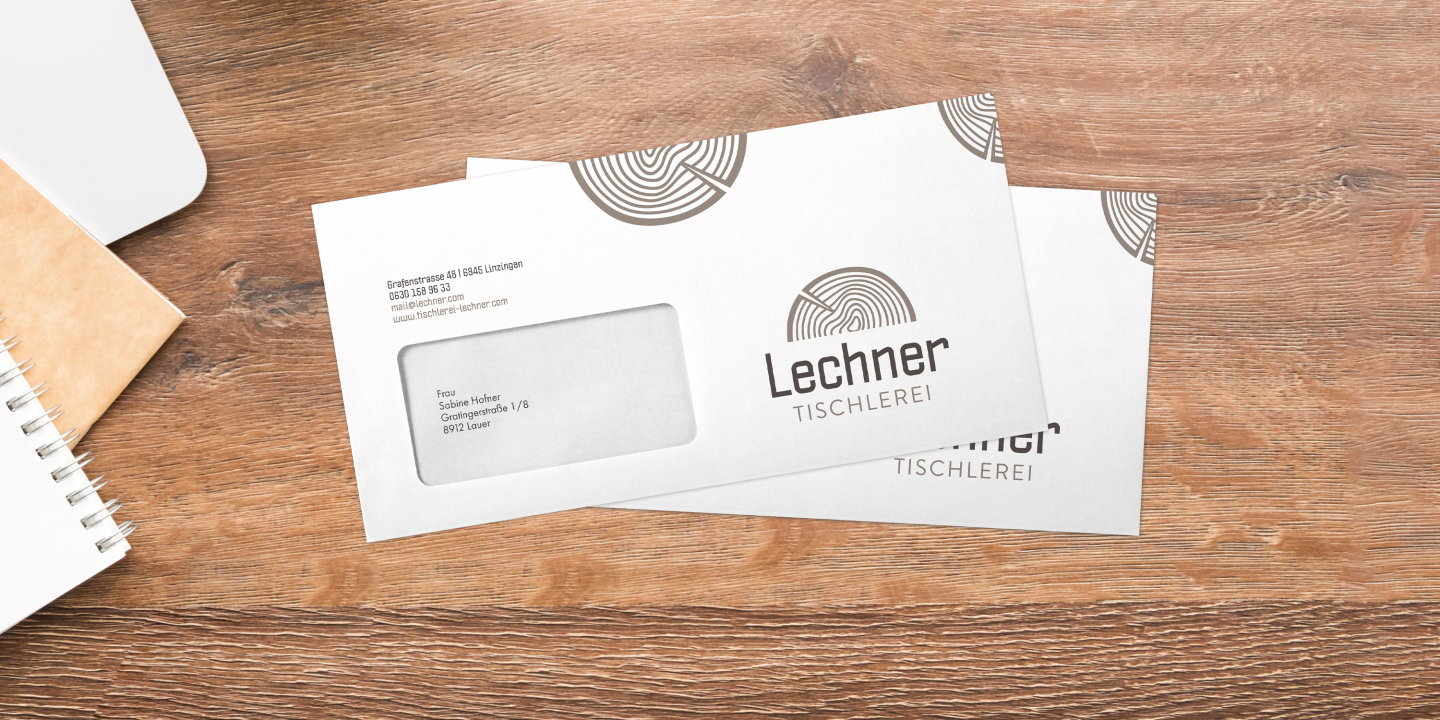
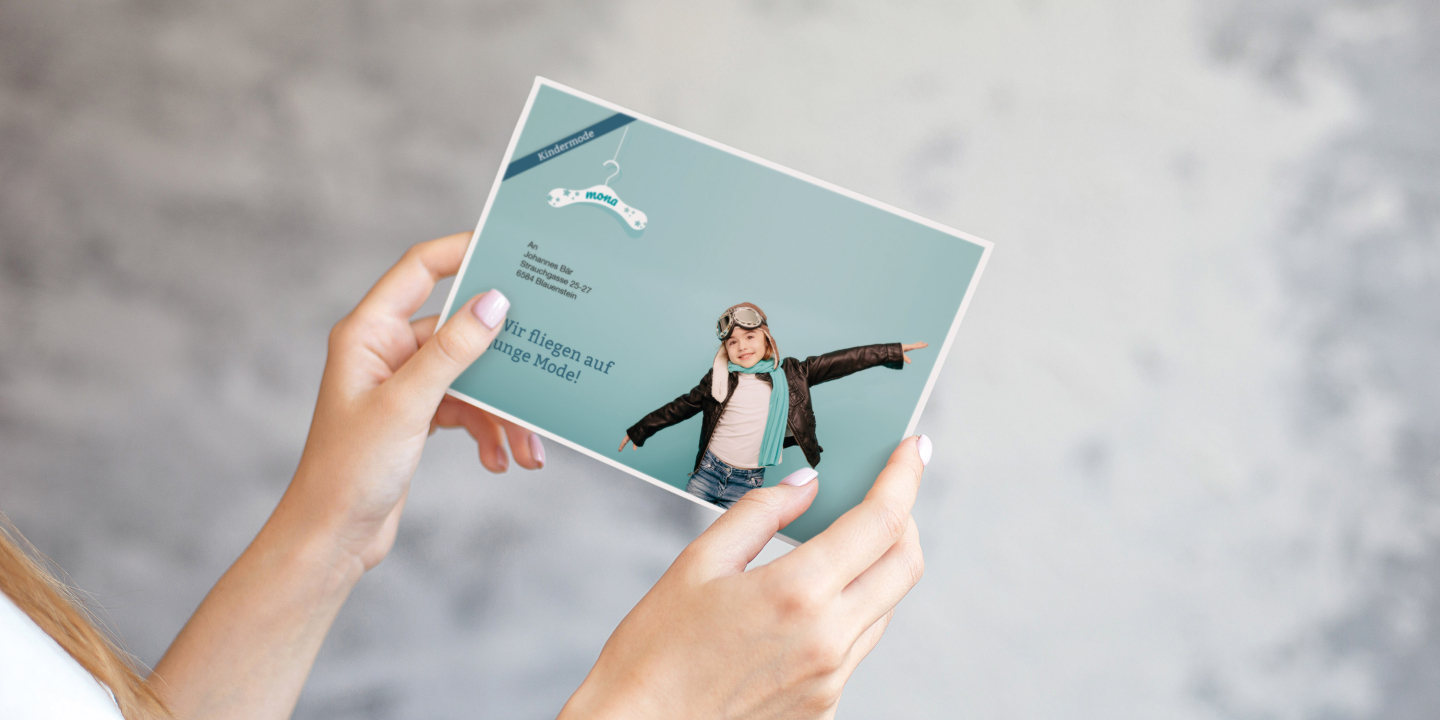
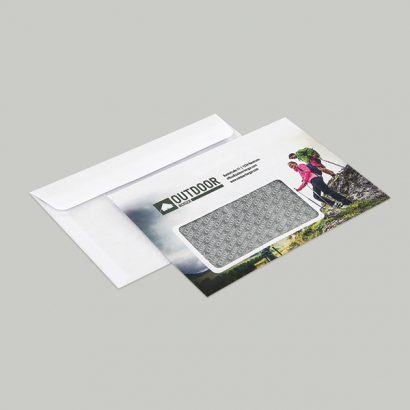
Whether a Invitation, an official Brief or a successful Direct marketing campaign: Letters convey a sense of relevance and give a particularly high-quality impression. As such, they remain an important part of many businesses. However, as it is not just the content but also the envelope or mailing envelope itself that forms part of corporate communications, many companies choose to have their Envelopes for custom printing.
Envelope vs. mailing envelope: What’s the difference?
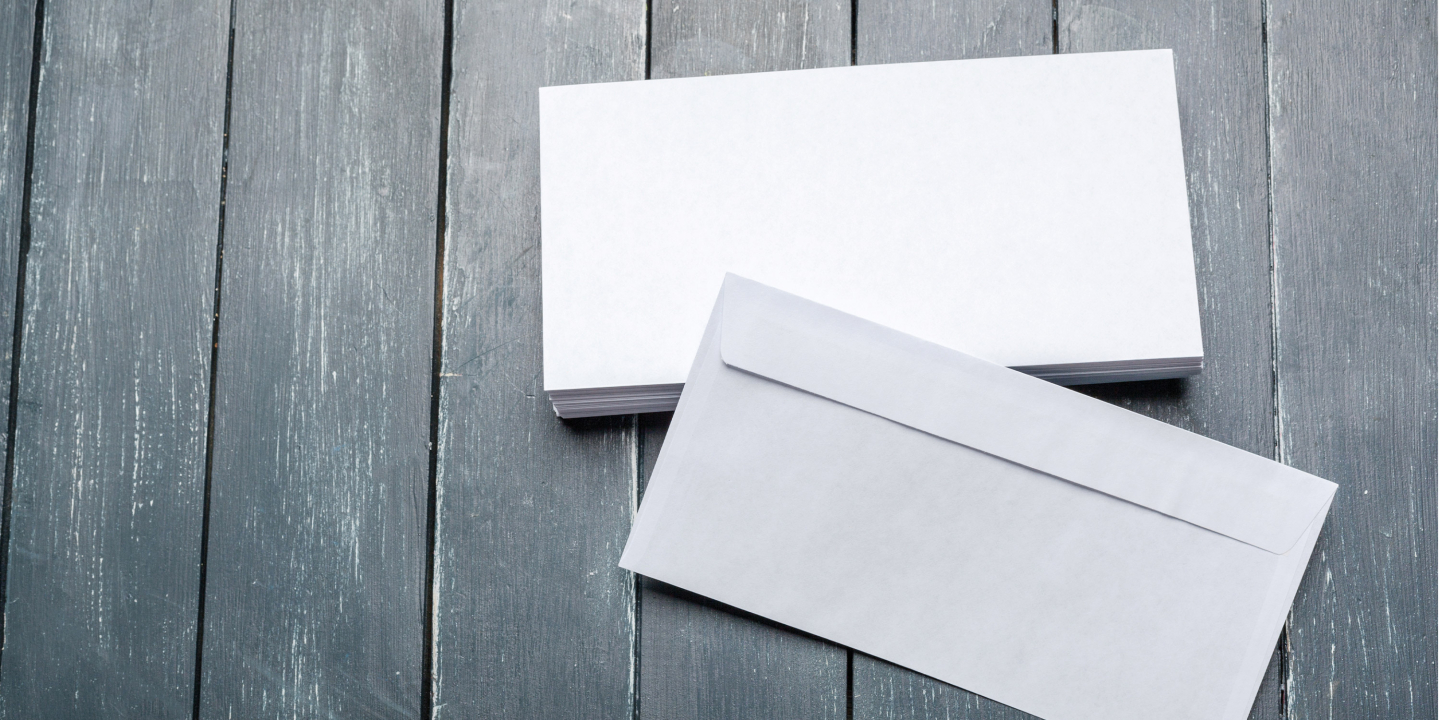
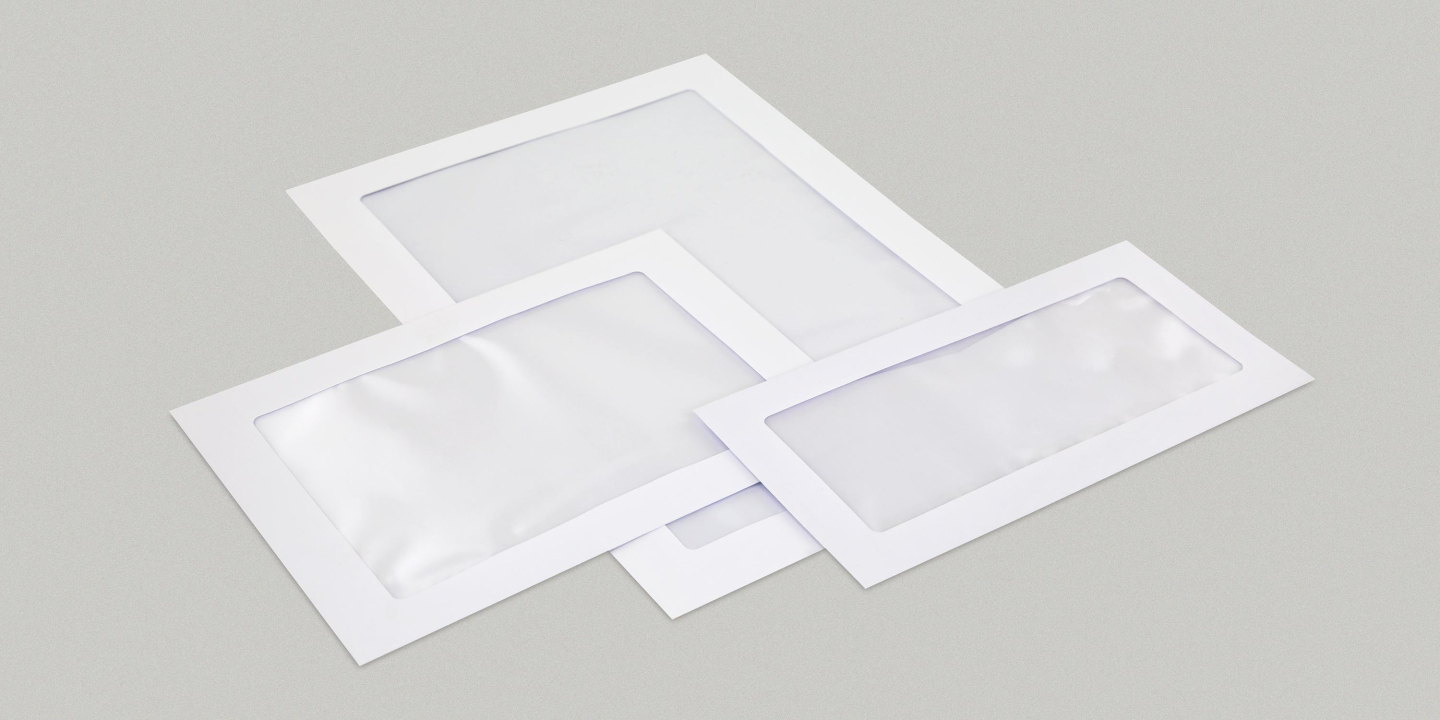
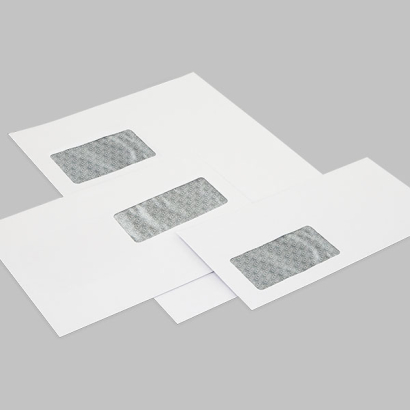
The main difference between an envelope and a (postal) bag is that Envelopes your Opening along the long side and Envelopes with the short side open have. In principle, in most cases, mailing bags can be used in exactly the same way as envelopes. However, mailing bags have the advantage that they large quantities of paper (e.g. an annual report) are easier to populate.
How can you design envelopes as cost-effectively as possible?
If you’d like to have your envelopes printed as cheaply as possible, you should opt for the following design options:
- Envelopes without bleed (only in small quantities of up to 500 items)
- smaller formats (lower weight)
- Bulk paper
- Single-sided printing in CMYK
How are premium envelopes designed?
If you want your letter to make a lasting impression, this can be achieved with a customised envelope. Some of the design options available for this are:
What should be taken into account when designing a direct mail campaign?
If you Letters in large quantities When sending out a large number of items at once, it is important to keep the cost per letter and the time involved as low as possible. This means, firstly, that you should keep a close eye on the weight of the letter – otherwise, unexpectedly high postage costs can quickly arise.
On the other hand, when designing the site, you should bear in mind that not all Letters folded and packaged by machine can be used. Folding and enveloping machines are usually only compatible with certain formats (mostly DIN C6/5), which is why you should consult your service provider when planning a campaign to find out what is possible. It is also important to note that enveloping machines can only process gummed seals (wet-glue).
Tip: For large orders, the use of Spot colours and full-surface printed envelopes are particularly good value, as the price per envelope is significantly lower.