Sustainable packaging & dispatch – alternatives to conventional packaging materials
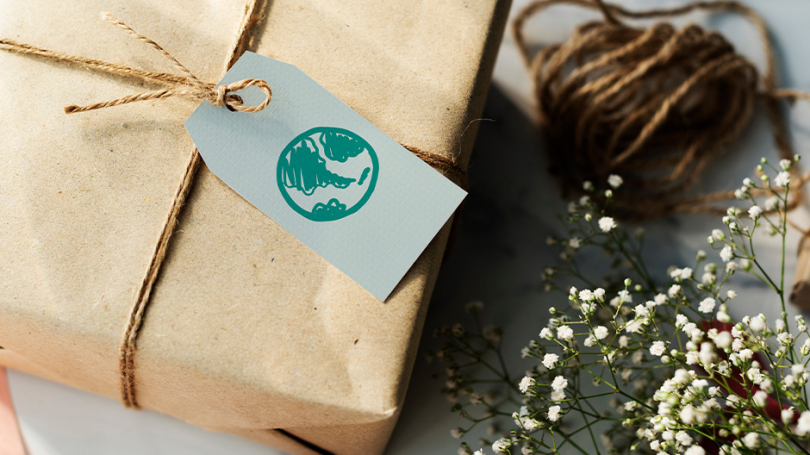
In the eyes of many, packaging and sustainability are two things that simply cannot be combined. This is because, when it comes to packaging and dispatching products, little attention is often paid to sustainable alternatives and environmentally friendly methods In most cases, this is due to the fact that large companies in particular have little scope for sustainability-oriented solutions. Consequently, small businesses in particular can position within the niche and with an environmentally friendly packaging and dispatch system yet another good bit more stand out. We’ve also provided you with a few tips and tricks In summary.
How and why should we use sustainable packaging and shipping?
Online retail is thriving and more popular than ever before. Many businesses now operate exclusively online. By now, at the very latest, many shops that previously operated solely as high-street outlets have become familiar with online sales. On average, 800,000 to 1 million parcels are dispatched and delivered every day in Austria. Consequently, the amount of waste generated by these shipments is high. To counteract this, there are a few principles you should bear in mind when planning your eco-friendly transport packaging:
- Try to use as little material as possible
Don’t pack your products in oversized shipping boxes. The better the fit of the packaging, the more protection it provides and the less filling material you’ll need - Use materials that are easy to recycle
Replace conventional bubble wrap with biodegradable bubble wrap, which can be disposed of in the organic waste bin after dispatch. - Use sustainable materials
Instead of a conventional shipping box, you can send your products sustainably in a grass-based box. Grass is a fast-growing raw material that can be harvested several times a year. - Opt for reusable materials
In addition to single-use cardboard boxes, there are various dispatch systems featuring plastic boxes made from recycled plastics. These can be reused for multiple dispatches. - Try to reduce CO₂ emissions with your packaging
Your transport and product packaging failed to withstand various stresses, and the product was damaged before it even arrived. Naturally, the customer demands a new, functional product. The damaged item is sent back, the new one is delivered, and the CO₂ emissions were higher than they needn’t have been from the outset.

Sustainable product packaging
Sustainable packaging and dispatch start with your own product packaging! Here, too, you don’t have to resort to conventional cardboard; instead, you can make use of other, environmentally friendly alternatives. We’ve summarised four materials for you:
- Grass paper/boxes: Grass paper is perfect for packaging your products and offers many advantages over conventional paper: grass is a renewable raw material that can not only be harvested several times a year but also grows virtually anywhere. This makes harvesting easier and reduces transport distances. What’s more, grass paper uses less water and energy to produce and is biodegradable after use. Both factors have a positive impact on the environmental footprint and make grass-based packaging a perennial favourite.
- Cocoa paper: Never heard of cocoa paper? We’re talking about paper that contains what is essentially a waste product as one of its components: the shells of the cocoa bean. The production of cocoa and chocolate generates a surplus of shells, which – much like with grass paper – are mixed in with traditional recycled paper fibres. Cocoa paper and boxes are suitable for the freezer and the microwave, making them perfect for food packaging. Once they’ve served their purpose, they can simply be composted.
- Bagasse: Much like cocoa paper, bagasse is also produced from ‘waste’. The material is derived from the residues of sugar cane left over from sugar production and thus utilises a resource-conserving raw material. It is also very well suited for food packaging, as it is robust and heat-resistant. It can even withstand the microwave. Consequently, bagasse is not only used for packaging but is also popular for plates, drink cups and similar items. When bagasse packaging is no longer needed, it can simply be left to decompose in your home compost.
- Mushrooms: Mushroom-based packaging is the perfect alternative to polystyrene packaging. The latter is non-biodegradable and its production is neither environmentally friendly nor sustainable. The situation is different with mushroom-based packaging: this is made from shredded organic waste and special fungi. The resources are ‘renewable’, the production process is environmentally friendly and the mushroom-based packaging is 100 per cent biodegradable. Thanks to its robustness and mouldability, it is ideal for packaging fragile items such as bottles or jars.

Environmentally friendly transport packaging
We’re all familiar with it: the typical delivery box. It usually arrives slightly tattered and with a few scuffs, sometimes even torn open and hastily patched up with sticky tape by the post office. You open it, hoping that the goods have survived the journey unscathed, before laboriously shredding the box and popping it back into the recycling bin.
Conventional shipping boxes are therefore often not the best – and, above all, not the most sustainable – solution for your shipments. That’s why you’ll find a few ideas here on how to pack your product sustainably for dispatch.
- Graskarton: Shipping boxes made from grass are not only resource-efficient but also 100% recyclable. Most grass-based boxes consist of 70% recycled paper and up to 30% grass fibres. The main advantage of grass over paper lies in how it is sourced: grass regrows quickly and can be harvested several times a year. The grass boxes can also be custom-printed and, just like conventional shipping boxes, come with self-adhesive closures, tear-off perforations and other features.
- Recycled plastic boxes: Delivery with absolutely no unnecessary cardboard waste? It’s possible! To achieve this, online retailers increasingly rely on systems using plastic boxes made from recycled plastic. Your customers receive the products undamaged in a plastic box and can then return it to you free of charge within a certain period, or keep the handy box for an additional charge. Of course, once you’ve purchased the boxes, you’re free to choose your own returns policy and tailor your dispatch options as you see fit. These boxes are particularly impressive due to their lightness, sturdiness and versatility. They’re durable and made from a single material, meaning they can be recycled again.
- Use external providers: You can now find a number of companies via search engines that offer a third-party fulfilment service for dispatching your products. This means you don’t need to buy your own shipping boxes or bags; instead, you ‘borrow’ them from third-party providers. Your customers can select this delivery method when placing an order and, where applicable, pay a surcharge, which is refunded to them as a credit note once they have returned the packaging, for example. In most cases, the packaging is made from sustainable materials, is cleaned after being returned and then reused.

Sustainable protective packaging materials
Even if the product is well packaged and fits securely in sturdy shipping packaging, it is often the case that it still requires additional protective materials to ensure safe delivery. There are sustainable alternatives to conventional protective and filling materials for this purpose too.
- Environmentally friendly packaging materials: Too much space in the box and a product that really shouldn’t be rolling about inside it during dispatch. Filling materials can help with this and offer your parcel extra protection. Here, too, environmentally friendly products can be used – some of which you can even source yourself. For example, old egg cartons or crumpled newspapers from the recycling bin provide the perfect protection for the contents of your parcel. There are other filling materials that you can make yourself and make your order unique.
- Alternatives to bubble wrap: Typical bubble wrap is protective, but by no means sustainable. There are various alternatives available to replace it and protect your product in a similar way: how about compostable organic bubble wrap, for example? It is made from cellulose or potato starch and, thanks to its properties, is perfect for protecting your packaged goods. Another alternative is bubble wrap made from recycled paper, which is ideal for large items. Discover more Even more information and further alternatives to bubble wrap.