5 tips to bear in mind before setting up your business

The time has come! You’ve given it plenty of thought, formulated your business idea and are determined to set up your own company. We’d like to take this opportunity to congratulate you most warmly on taking this bold step. We want to Here are five important tips to help you get off to a flying start on this adventure.
1) Be prepared before you start!
A strong brand identity is essential for any business. First impressions count, as they must be inviting and spark interest. Once you’ve set out your business idea in a business plan, the next step is to develop your company’s visual identity, also known as corporate design. This is important not only for meetings with banks or funding bodies, but also for you personally. You’ll have something to show off and a reminder to yourself that you have a big goal in mind.
Many entrepreneurs launch their businesses without taking the time to consider their brand identity. They quickly design a logo themselves, produce some printed materials at the very last minute, and set up their website. The danger here is that your brand will appear piecemeal rather than cohesive. This can be compensated for at the beginning, but ultimately, the most successful companies are those that present a consistent corporate identity.
2) Find the right name!
Whilst this tip no longer causes any headaches for some start-up founders because the name is crystal clear, for others the decision is more than a little difficult. It should be eye-catching, easy to remember and, above all, easy to pronounce over the phone or in face-to-face conversations.
We recommend starting with a classic brainstorming session. Let your imagination run wild and write down the terms you want your business to be associated with. Think about your business’s services, products and characteristics. Then take a few days’ break and pay close attention to your everyday life. Do you see any words anywhere that catch your eye? In the next step, bring all the terms together and analyse them in more detail. Once you’ve identified your initial shortlist, take a look at your competitors’ names, check trademark rights and check social media channels for available names. You should also check whether your preferred domain name is available. On nic.at You can check whether the name is already in use or is still available.
This is usually how you narrow down the initial list of terms. Put the remaining ones through a feedback loop with family and friends. Ask them what they associate with each term and which one they like best. Right at the end, if you still can’t identify a clear winner, try this: imagine you’re receiving a phone call and you answer by saying your company name.
Does that sound right to you?
Yes?
Well then, congratulations on your new name.
3) Go to the experts!

If the tap in the bathroom is dripping or your car needs a major repair, you go to your trusted plumber or mechanic. You know you can’t carry out these repairs on your own. You need help from an expert. The same applies to creating a comprehensive corporate identity.
Day in, day out, advertising professionals do nothing but create distinctive brand designs that resonate with your target audience. Don’t try to cobble something together yourself. There’s a real risk that something will go wrong. A professional knows exactly what matters and what to look out for. And yes, an agency and a graphic designer cost money. But a strong brand presence pays off – in more customers, more orders, and greater success! Trust the professionals and factor a budget for your corporate identity into your plans right from the start.
4) Choose the right print products for you

Depending on your line of business, you’ll have different requirements for your printed materials. A high-street shop needs different printed materials to an online shop, for example. Are you a freelancer, or are you starting out with staff straight away? All of this places different demands on you and your printed materials. Think very carefully about how you want to engage with your customers.
Note: there’s a suitable print type for every situation. If, for example, you’re starting out as a freelance writer, the following will suffice to begin with Business cards. If you’re planning to open a shop, you might want to consider Posters, Flyer and Invoice pads to place an order.
5) Let’s get networking!

Despite digitalisation, networking is half the battle in business, because whilst chats, messengers and the like are becoming increasingly important, personal contact between business partners and potential clients remains vital.
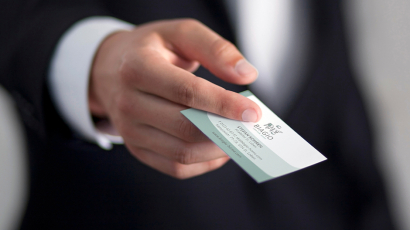
Have a look around, sign up for newsletters from trade associations in your sector, contact the Chamber of Commerce, other interest groups or associations, and take the opportunity to network with other business owners in person. And don’t forget to carry and hand out your business cards!